


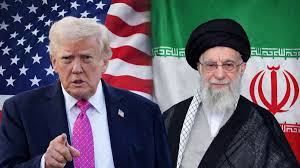
Iran and the United States are set to hold a new round of indirect nuclear negotiations in Geneva, Switzerland, at a time of escalating tensions, fresh sanctions, and strong warnings from US President Donald Trump about possible military action. The talks are seen as a critical diplomatic effort to prevent further conflict in the Middle East while addressing long-standing disputes over Iran’s nuclear programme.
Iran’s Foreign Minister Abbas Araghchi arrived in Geneva ahead of the negotiations, which are being mediated by Oman. The discussions mark the third round of talks between the two nations, with both sides signaling a preference for diplomacy despite increasing pressure and mistrust.
Sanctions and “Maximum Pressure” Strategy
Just before the talks, the United States announced a new wave of sanctions targeting individuals, companies, and vessels allegedly linked to Iran’s oil trade and weapons networks. These measures are part of Washington’s broader “maximum pressure” strategy aimed at restricting Iran’s financial resources and curbing its nuclear and missile programmes.
According to US officials, the sanctions specifically target a so-called “shadow fleet” involved in transporting Iranian petroleum and petrochemical products worth hundreds of millions of dollars. The US Treasury claims these networks help Tehran evade international sanctions and fund weapons development.
Trump’s Threat of Force Raises Stakes
President Donald Trump has intensified rhetoric ahead of the talks, warning that Iran could face serious consequences if a nuclear agreement is not reached soon. He has also ordered a significant military buildup in the Middle East, including fighter jets, warships, and aircraft carrier groups, to pressure Tehran into concessions.
Trump has repeatedly stated that while he prefers a diplomatic solution, the United States will not allow Iran to develop nuclear weapons. The administration has indicated that military action remains an option if negotiations fail, further heightening global concerns about a potential regional conflict.
Focus of the Geneva Talks
The negotiations are expected to focus primarily on Iran’s nuclear programme and the possible lifting of sanctions. Washington wants Iran to halt uranium enrichment, curb its ballistic missile development, and limit regional influence. However, Tehran insists that its nuclear activities are peaceful and has rejected calls to abandon its right to civilian nuclear technology.
Iranian officials have indicated they will approach the talks with “seriousness and flexibility,” suggesting some willingness to compromise under growing economic and political pressure. At the same time, they have made it clear that sanctions relief remains a key demand in any agreement.
Background of Rising Tensions
Relations between the two countries have worsened significantly over the past year, especially after US strikes on Iranian nuclear sites in 2025 and renewed sanctions that deepened Iran’s economic crisis. The ongoing standoff has created fears of another major Middle East conflict, as both sides continue to exchange threats while engaging in cautious diplomacy.
The US has also expressed concerns over Iran’s ballistic missile programme and alleged nuclear ambitions, while Iran accuses Washington of spreading misinformation and using sanctions as political pressure. Despite sharp rhetoric, both governments have publicly stated that diplomacy remains the preferred path forward.
Global Impact and What Comes Next
The high-stakes talks are being closely watched by global powers, as any breakdown could lead to further military escalation, economic instability, and rising oil prices. Analysts believe the Geneva negotiations may represent one of the last diplomatic windows to resolve the nuclear dispute peacefully.
With sanctions tightening, military forces on alert, and negotiations underway, the coming days will be crucial in determining whether diplomacy succeeds or tensions between the US and Iran escalate into a broader confrontation.