


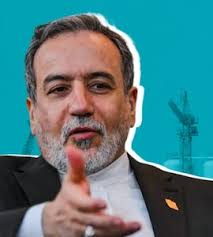
In a major geopolitical development, Iran has announced that only “friendly nations” will be allowed to pass safely through the strategically vital Strait of Hormuz. This decision comes at a time of escalating tensions and conflict in the Middle East, raising concerns over global trade and energy supply routes.
Countries reportedly included in Iran’s “friendly nations” list are India, China, Russia, Pakistan, and Iraq. These nations will be permitted secure maritime movement through the strait, while ships from countries considered hostile may face restrictions or increased scrutiny. Why the Strait of Hormuz Matters
The Strait of Hormuz is one of the world’s most critical oil transit chokepoints. Nearly 20% of global oil and gas supply passes through this narrow waterway. Any disruption here can lead to sharp spikes in oil prices and impact economies worldwide.
For India, this move is highly significant .Ensures uninterrupted oil and gas imports .Protects shipping routes and trade flows .Helps stabilize domestic fuel prices amid global uncertainty
India relies heavily on energy imports from the Middle East, and continued access through Hormuz is essential for maintaining economic stability. Rising Tensions
Despite this selective access, the situation in the region remains tense .Military presence in the area has increased .Some international vessels may face restrictions .Global markets are reacting with volatility
There are also reports that Iran may impose conditions or tolls on certain vessels, adding another layer of complexity to global trade routes.