


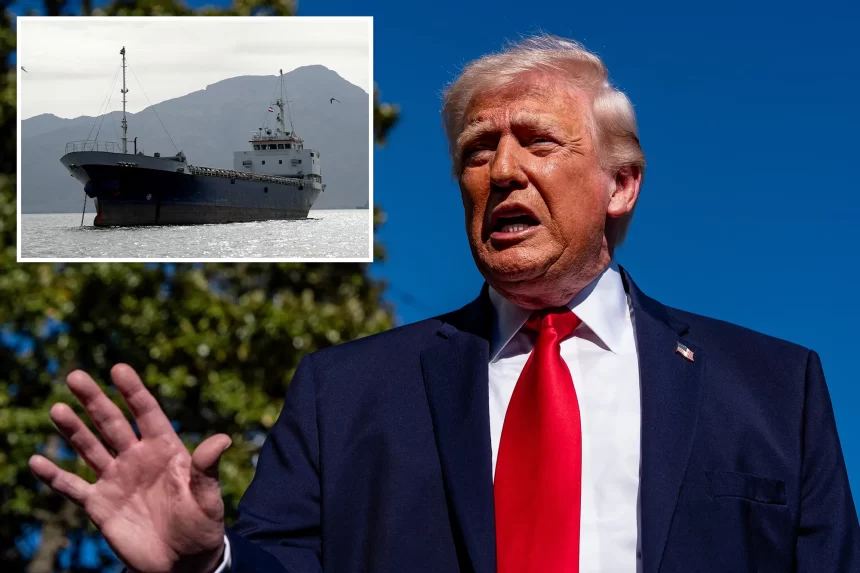
Tensions between the United States and Iran have sharply escalated following the failure of high-stakes peace talks, with U.S. President Donald Trump placing full responsibility on Iran and announcing a major military move in response.
The negotiations, which took place in Pakistan and lasted over 20 hours, ended without any agreement—particularly on Iran’s nuclear program, which remained the central point of dispute. Both sides blamed each other for the breakdown, but President Trump strongly criticized Iran, accusing it of making unreasonable demands and obstructing progress.
Soon after the talks collapsed, Trump declared that the United States would initiate a naval blockade of the Strait of Hormuz, one of the most critical oil transit routes in the world. This narrow waterway connects the Persian Gulf to global markets and carries nearly one-fifth of the world’s oil supply.
In a strong statement, Trump said the U.S. Navy would block “any and all ships” attempting to enter or leave the Strait until Iran stops what he described as “extortion tactics.” The U.S. has accused Iran of demanding toll payments from ships for safe passage and of creating uncertainty by deploying or threatening naval mines in the region.
Trump further warned that any hostile action from Iran against U.S. forces or commercial vessels would be met with severe retaliation. He also indicated that vessels found to have paid tolls to Iran could be intercepted in international waters, signaling a broader enforcement strategy.
The move marks a significant escalation in military posture in the Middle East and has raised concerns globally. Analysts warn that a blockade of the Strait of Hormuz could disrupt global energy supplies, spike oil prices, and trigger wider economic instability.
Meanwhile, international leaders have expressed concern over the breakdown of diplomacy. Calls are growing for both nations to return to the negotiating table to avoid further escalation and prevent a prolonged conflict that could impact global trade and security.
As the situation develops, the world watches closely, with fears that continued confrontation between the U.S. and Iran could lead to a broader regional crisis.