


(Featured Image Suggestion: A split image showing crude oil barrels, wheat grains, and the Indian stock market ticker to represent energy, food, and financial impact.)
- Surge in Crude Oil Prices and Energy Costs
- Rising Inflation and Cost of Living
- Trade Disruptions and New Opportunities
- Fertilizer and Agriculture Challenges
- 5. Impact on Financial Markets
- Defence and Strategic Implications
- Diplomatic Balancing and Geopolitical Strategy
- Long-Term Structural Changes
- Conclusion
The Russian invasion of Ukraine has reshaped the global economic landscape in unprecedented ways. While the conflict is geographically distant from India, its economic consequences have deeply affected the Indian economy. From rising fuel prices and food inflation to trade realignments and diplomatic balancing, India has had to navigate a complex and evolving global environment.
This blog explores how the war has influenced India’s economy across key sectors including energy, trade, inflation, agriculture, defence, and foreign policy.
Surge in Crude Oil Prices and Energy Costs
One of the most immediate impacts of the war was the sharp increase in global crude oil prices. Russia is one of the world’s largest oil exporters, and disruptions in supply led to volatility in international markets.
India, which imports nearly 85% of its crude oil needs, faced the risk of higher import bills. When global prices surged above $100 per barrel in 2022, it put significant pressure on India’s fiscal balance and trade deficit.
However, India adapted strategically by increasing discounted oil imports from Russia. This helped reduce the immediate impact of global price spikes. Over time, Russia became one of India’s largest crude oil suppliers, altering traditional sourcing patterns.
Still, fluctuations in energy prices have contributed to:
- Higher transportation costs
- Increased manufacturing expenses
- Pressure on government fuel subsidies
Energy security has now become a more urgent priority for India, accelerating investments in renewable energy and domestic production.
Rising Inflation and Cost of Living
The war disrupted global supply chains for commodities such as wheat, edible oils, fertilizers, and metals. Both Russia and Ukraine are major exporters of wheat and sunflower oil. As supply tightened, prices surged worldwide.
India experienced inflationary pressures in:
- Food items
- Fuel
- Fertilizers
- Construction materials
Retail inflation crossed comfort levels during peak volatility. The Reserve Bank of India responded by increasing interest rates to control inflation. Higher borrowing costs, however, impacted businesses and homebuyers.
While inflation has since moderated, the war exposed India’s vulnerability to global commodity shocks.
Trade Disruptions and New Opportunities
Ukraine and Russia were not among India’s top trade partners before the war, but the conflict reshaped trade dynamics globally.
Negative Impacts:
- Payment issues due to Western sanctions on Russian banks
- Logistics disruptions
- Higher shipping and insurance costs
Positive Developments:
- Increase in exports to Russia as Western companies exited
- Expansion of rupee-based trade mechanisms
- Opportunities for Indian pharmaceuticals, machinery, and consumer goods
India adopted a pragmatic approach, maintaining economic ties with Russia while expanding trade with Western nations. This balancing act helped protect national interests
Fertilizer and Agriculture Challenges
Russia and Belarus are major exporters of fertilizers. Sanctions and supply constraints led to higher global fertilizer prices.
India, heavily dependent on fertilizer imports to support its agriculture sector, faced rising subsidy burdens. The government increased fertilizer subsidies significantly to shield farmers from price shocks.
Additionally:
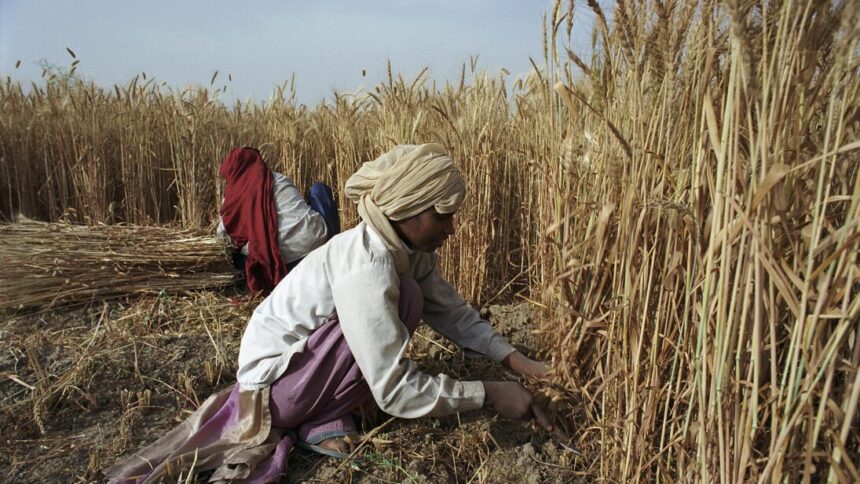
- Wheat export restrictions were temporarily imposed to ensure domestic food security.
- Global food shortages raised concerns about inflation and supply stability.
The war highlighted the need for India to strengthen agricultural self-reliance and diversify fertilizer sourcing.
5. Impact on Financial Markets
Global uncertainty led to volatility in stock markets worldwide, including India’s. Foreign institutional investors (FIIs) withdrew funds during peak uncertainty, causing market fluctuations.
However, India’s domestic investors and strong macroeconomic fundamentals helped stabilize markets relatively quickly. Over time, India emerged as a preferred investment destination compared to some other emerging economies due to:
- Political stability
- Strong GDP growth prospects
- Diversified economy
The war indirectly accelerated global supply chain diversification, benefiting India under the “China+1” strategy.
Defence and Strategic Implications
India has historically sourced a significant portion of its defence equipment from Russia. The war and subsequent sanctions raised concerns about supply continuity and spare parts availability.
In response, India accelerated efforts to:
- Diversify defence imports
- Promote “Make in India” defence manufacturing
- Strengthen partnerships with the US, France, and Israel
This shift could reshape India’s defence sector in the long term.
Diplomatic Balancing and Geopolitical Strategy
India maintained a neutral stance at the United Nations, emphasizing dialogue and diplomacy rather than taking sides.
Its approach aimed to:
- Secure affordable energy imports
- Maintain strong ties with the West
- Avoid economic isolation
This diplomatic balancing allowed India to protect its economic interests while preserving global partnerships.
Long-Term Structural Changes
The war has triggered broader structural changes in the global economy:
- De-dollarization discussions
- New trade corridors
- Energy transition acceleration
- Supply chain diversification
For India, this means both challenges and opportunities. The country can position itself as:
- A manufacturing alternative
- A stable investment hub
- A bridge between East and West
If managed strategically, the crisis could strengthen India’s long-term economic position.
Conclusion
The Russia–Ukraine war has had a multifaceted impact on the Indian economy. While rising oil prices, inflation, and trade disruptions posed immediate challenges, India’s adaptive policies helped mitigate severe damage.
Strategic crude oil purchases, monetary tightening by the Reserve Bank, expanded trade outreach, and diplomatic neutrality allowed India to navigate uncertain waters effectively.
The conflict has also highlighted the importance of energy security, agricultural resilience, supply chain diversification, and defence self-reliance.
Although the war continues to shape global geopolitics, India’s balanced economic strategy has ensured