


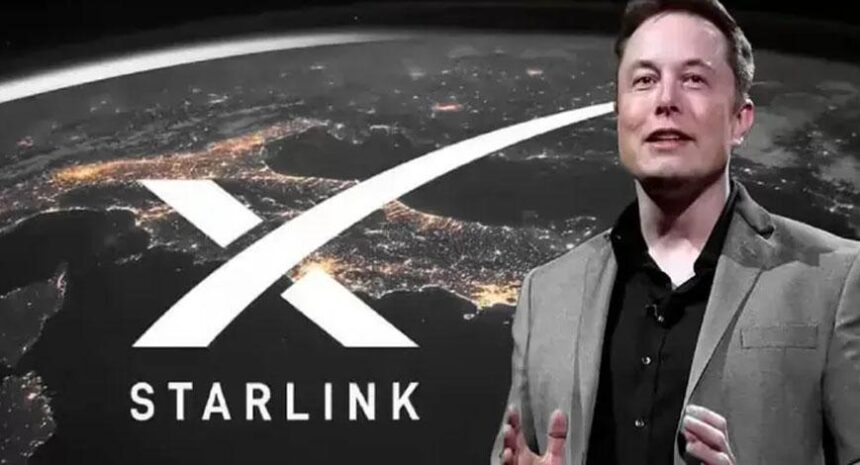
June 2026 marked a historic moment for the global financial and technology sectors as Elon Musk’s aerospace giant SpaceX completed the largest Initial Public Offering (IPO) in history. The company raised approximately $75 billion by offering shares to public investors at $135 per share, valuing SpaceX at around $1.75 trillion at the time of listing.
The IPO attracted extraordinary investor demand, with reports indicating that orders significantly exceeded the number of shares available. Major investment banks, including Goldman Sachs and Morgan Stanley, led the offering. Following its stock market debut, SpaceX shares surged sharply, pushing the company’s market capitalization beyond $2 trillion within days.
Why Investors Are Excited
SpaceX has transformed the global space industry through its reusable rocket technology and satellite internet business, Starlink. Starlink now serves millions of customers worldwide and has become one of the company’s primary revenue generators. Analysts believe the rapid growth of satellite communications, commercial space launches, and future Mars exploration projects contributed to strong investor enthusiasm.
The company operates the Falcon rocket family, develops the Starship spacecraft, and continues to secure major government and commercial contracts. These businesses have helped SpaceX establish itself as the dominant player in the private space sector.
Elon Musk Becomes World’s First Trillionaire
The IPO significantly increased the wealth of Elon Musk. Several financial publications reported that the surge in SpaceX’s valuation pushed Musk’s net worth above $1 trillion, making him the world’s first trillionaire.
Investors view Musk as one of the most influential entrepreneurs of the modern era, having previously built successful businesses such as Tesla, while continuing to expand SpaceX’s ambitions in space exploration and communications. Record-Breaking IPO Performance
SpaceX’s IPO surpassed previous records held by major global listings. Underwriters later exercised an additional share allocation option, increasing total proceeds to approximately $85.7 billion. The offering generated more than $250 billion in investor interest, demonstrating exceptional market demand.
Market analysts described the debut as one of the strongest public offerings ever seen, with retail investors receiving an unusually large allocation of shares. Future Plans
Shortly after the IPO, SpaceX announced plans to acquire AI coding startup Anysphere, the company behind Cursor AI, in a deal valued at approximately $60 billion. The move highlights SpaceX’s increasing focus on artificial intelligence alongside its traditional aerospace business.
The company is expected to continue investing heavily in:
- Starship development
- Mars exploration programs
- Starlink expansion
- Artificial intelligence technologies
- Advanced satellite networks
The SpaceX IPO represents a landmark event in financial history. By raising tens of billions of dollars and achieving a valuation exceeding $2 trillion, SpaceX has reinforced its position as one of the world’s most valuable technology companies. The successful listing not only strengthened Elon Musk’s status as the world’s wealthiest entrepreneur but also provided the company with significant resources to pursue ambitious projects ranging from artificial intelligence to human settlement on Mars