


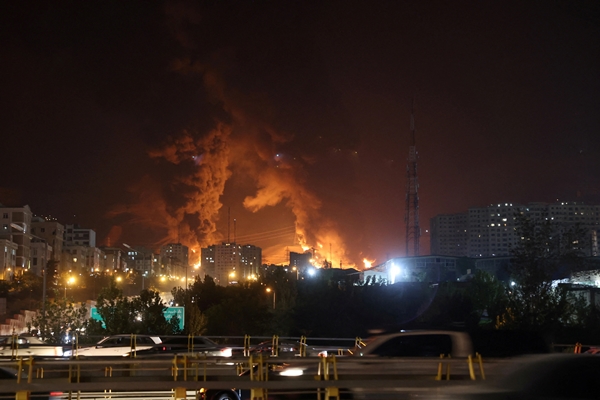
Tensions in West Asia have escalated after Iran reportedly issued a warning about possible attacks targeting electrical infrastructure that supplies power to military bases associated with the United States.
According to regional security sources, the warning highlights growing friction between Iran and U.S.-aligned forces in the region. The focus on power plants marks a strategic concern, as these facilities are critical for maintaining operations at key military installations. Strategic Importance of Power Infrastructure
Electrical plants in West Asia play a vital role in supporting defense systems, communications, and logistics for military bases. Any disruption could significantly impact operational readiness and stability across the region.
Analysts suggest that targeting such infrastructure would represent a shift from direct confrontation to indirect but high-impact tactics, potentially affecting both military and civilian systems. Rising Regional Tensions
The situation reflects broader geopolitical strains involving Iran and the United States, particularly in areas like the Persian Gulf and surrounding zones. Past incidents have included maritime confrontations, drone activity, and cyber-related threats.
Security experts warn that even the threat of such action can:
- Increase military alert levels .Disrupt energy markets .Trigger wider regional instability .Response and Preparedness
Officials linked to the United States have not issued a detailed public response but are believed to be closely monitoring developments. Defense systems in the region are reportedly on heightened alert to prevent any potential disruptions.
Meanwhile, allied nations in West Asia are reviewing contingency plans to safeguard critical infrastructure, especially power and energy networks.
Global Impact Concerns
Any escalation in this situation could have ripple effects beyond the region, including:
Fluctuations in global oil and energy prices .Increased geopolitical uncertainty .Potential risks to international trade routes