


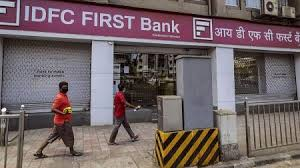
A major financial fraud case worth approximately ₹590 crore has brought attention to the banking sector after irregularities linked to IDFC First Bank surfaced, prompting internal scrutiny and regulatory interest. The case has raised serious concerns about financial oversight, risk management systems, and fraud detection mechanisms in India’s rapidly expanding banking ecosystem.
- How the ₹590 Crore Fraud Came to Light
- Nature of the Alleged Financial Irregularities
- Immediate Action Taken by the Bank
- Regulatory Oversight and Compliance Measures
- Impact on Banking Sector Confidence
- Financial Exposure and Risk Containment
- Role of Internal Controls and Audit Systems
- Legal and Investigative Developments
- Industry Experts’ Reactions
- Investor and Market Perspective
- Strengthening Fraud Prevention in the Banking System
The alleged fraud, reportedly involving large-scale financial misrepresentation and irregular loan transactions, is now under investigation by relevant authorities and internal audit teams. The development has sparked discussions among financial analysts, investors, and regulatory bodies about the robustness of internal controls in major financial institutions.
How the ₹590 Crore Fraud Came to Light
According to preliminary information, the fraud was detected during routine internal checks and risk assessment procedures. Banks typically conduct periodic audits and monitoring processes to identify discrepancies in loan disbursements, documentation, and financial reporting. During one such review, unusual patterns in transactions and documentation reportedly triggered red flags.
Sources indicate that the irregularities were linked to loan accounts and financial documentation that did not align with standard banking compliance frameworks. Once the discrepancies were noticed, the bank reportedly initiated a deeper investigation to assess the scale and nature of the suspected fraud.
Early findings suggested that the total exposure in the suspected case could be around ₹590 crore, making it one of the significant fraud-related incidents in recent banking news.
Nature of the Alleged Financial Irregularities
While the investigation is ongoing, initial reports suggest that the fraud may involve:
- Misuse of loan facilities
- Fabricated financial documents
- Overvaluation of collateral assets
- Possible collusion with external entities
Financial fraud cases of this scale often involve multiple layers of transactions, making them complex to detect in early stages. Experts believe that such cases typically exploit procedural loopholes, delayed verification processes, and documentation gaps.
However, officials have clarified that a comprehensive forensic audit is being conducted to determine the exact modus operandi and identify all parties involved.
Immediate Action Taken by the Bank
Following the detection of the suspected fraud, IDFC First Bank reportedly took immediate steps to mitigate potential financial damage. These actions may include:
- Freezing suspicious accounts
- Strengthening internal audit procedures
- Reporting the matter to regulatory authorities
- Initiating legal and forensic investigations
Banks are mandated to report fraud cases above a certain threshold to regulators and law enforcement agencies to ensure transparency and accountability in the financial system.
Regulatory Oversight and Compliance Measures
In India, large banking fraud cases are typically monitored by regulatory bodies such as the Reserve Bank of India, which sets strict guidelines for fraud reporting and risk management. The RBI requires banks to promptly disclose material fraud incidents and implement corrective governance measures.
Regulators may review the bank’s risk management framework, credit approval process, and internal monitoring systems to ensure compliance with banking norms. If systemic lapses are identified, additional compliance directives may be issued.
Impact on Banking Sector Confidence
The emergence of a high-value fraud case inevitably affects investor sentiment and public trust in the banking sector. Financial institutions rely heavily on credibility, and incidents involving large sums can create temporary concerns among stakeholders.
Market analysts suggest that while such frauds are alarming, they also reflect the effectiveness of internal detection mechanisms when discovered through audits. Early detection and transparent disclosure are considered positive indicators of institutional governance.
Financial Exposure and Risk Containment
Experts indicate that the actual financial impact on the bank will depend on several factors, including recovery of funds, insurance coverage, collateral liquidation, and legal proceedings. In many fraud cases, banks are able to recover a portion of the funds through asset seizure, legal action, and restructuring mechanisms.
Additionally, provisioning norms require banks to set aside funds to cover potential losses arising from fraud or non-performing assets. This helps cushion the financial impact on balance sheets and maintain operational stability.
Role of Internal Controls and Audit Systems
This case highlights the importance of robust internal control systems in financial institutions. Modern banks rely on advanced fraud detection tools, AI-based transaction monitoring, and multi-layered audit frameworks to identify suspicious activities.
Key preventive mechanisms include:
- Real-time transaction monitoring
- KYC and due diligence checks
- Risk-based credit evaluation
- Independent forensic audits
Strengthening these systems can significantly reduce the chances of large-scale fraud in the future.
Legal and Investigative Developments
Authorities are expected to conduct a detailed forensic investigation to trace the flow of funds and identify the individuals or entities responsible for the alleged fraud. Law enforcement agencies may examine digital records, financial statements, and transaction trails as part of the probe.
If criminal intent is established, legal action could include charges under financial fraud and corporate misconduct laws. Such investigations often take months due to the complexity and scale of financial transactions involved.
Industry Experts’ Reactions
Banking and financial experts have emphasized that fraud risks increase as credit expansion and digital banking ecosystems grow. They suggest that banks must continuously upgrade their fraud risk management strategies to keep pace with evolving financial crimes.
Experts also point out that transparency in reporting fraud cases is crucial to maintaining investor confidence and regulatory compliance. Proactive disclosure and swift corrective action can help limit reputational damage.
Investor and Market Perspective
While large fraud cases may create short-term volatility in investor sentiment, long-term impact depends on how effectively the bank manages the situation. Investors typically evaluate:
- Financial exposure size
- Recovery potential
- Governance response
- Regulatory compliance
If the bank demonstrates strong corrective measures and transparency, market confidence generally stabilizes over time.
Strengthening Fraud Prevention in the Banking System
The incident serves as a reminder for the entire banking sector to enhance fraud prevention strategies. Recommended measures include:
- Advanced AI-based fraud analytics
- Stronger loan verification systems
- Regular compliance audits
- Improved employee accountability
- Enhanced whistleblower mechanisms
Digital transformation in banking must be accompanied by equally strong cybersecurity and fraud risk management frameworks.