


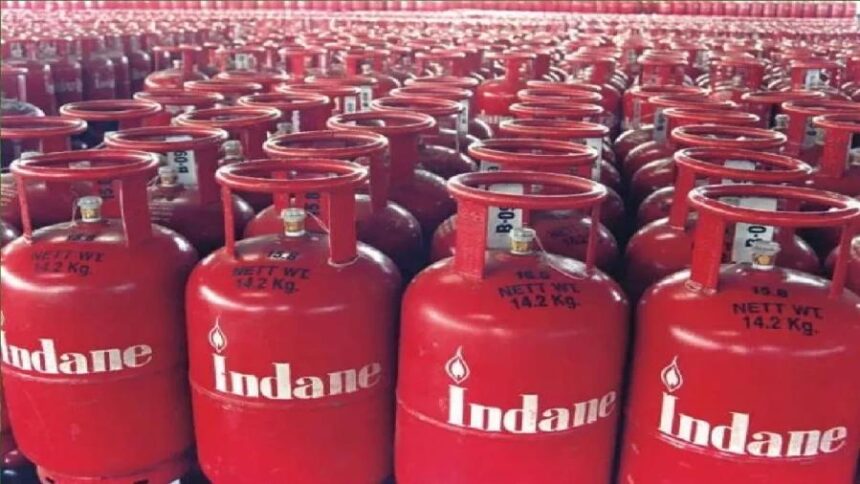
Recent reports circulating in sections of the media suggest that India currently holds crude oil reserves sufficient for around 60 days and Liquefied Petroleum Gas (LPG) stocks that can last approximately one month. These claims, attributed to statements from the Centre, have sparked widespread debate on whether such reserve levels are adequate for a rapidly growing economy like India.
Energy security remains one of the most critical pillars of national stability, especially for a country that relies heavily on imports to meet its oil and gas requirements. India imports nearly 85% of its crude oil needs, making it vulnerable to global supply disruptions, geopolitical tensions, and price volatility. In this context, the revelation about reserve capacity raises important questions about preparedness, policy planning, and long-term strategy.
Recent reports circulating in sections of the media suggest that India currently holds crude oil reserves sufficient for around 60 days and Liquefied Petroleum Gas (LPG) stocks that can last approximately one month. These claims, attributed to statements from the Centre, have sparked widespread debate on whether such reserve levels are adequate for a rapidly growing economy like India.
Energy security remains one of the most critical pillars of national stability, especially for a country that relies heavily on imports to meet its oil and gas requirements. India imports nearly 85% of its crude oil needs, making it vulnerable to global supply disruptions, geopolitical tensions, and price volatility. In this context, the revelation about reserve capacity raises important questions about preparedness, policy planning, and long-term strategy.Understanding Strategic Reserves
Strategic petroleum reserves (SPRs) are essentially emergency stockpiles of crude oil maintained by governments to mitigate supply disruptions. These reserves are not meant for daily consumption but are used during crises such as wars, natural disasters, or global supply shocks.
India has developed underground storage facilities in locations like Visakhapatnam, Mangaluru, and Padur. These facilities are designed to store millions of barrels of crude oil. In addition to strategic reserves, there are also commercial stocks held by oil marketing companies, which together contribute to the total reserve figure.
When reports state that India has oil for 60 days, it typically includes both strategic and commercial reserves. However, experts point out that this figure may vary depending on consumption rates and supply conditions. LPG Supply Situation
LPG is a crucial household fuel in India, especially under schemes aimed at promoting clean cooking energy. A one-month reserve of LPG indicates the available stock that can sustain current demand without fresh supply.
Unlike crude oil, LPG supply chains are more sensitive due to distribution challenges and consumption patterns. Any disruption in imports or refining could quickly impact availability at the consumer level.
Given the increasing dependence on LPG in both urban and rural households, maintaining a stable and sufficient reserve is essential to avoid shortages and price spikes.
Recent reports circulating in sections of the media suggest that India currently holds crude oil reserves sufficient for around 60 days and Liquefied Petroleum Gas (LPG) stocks that can last approximately one month. These claims, attributed to statements from the Centre, have sparked widespread debate on whether such reserve levels are adequate for a rapidly growing economy like India.
Energy security remains one of the most critical pillars of national stability, especially for a country that relies heavily on imports to meet its oil and gas requirements. India imports nearly 85% of its crude oil needs, making it vulnerable to global supply disruptions, geopolitical tensions, and price volatility. In this context, the revelation about reserve capacity raises important questions about preparedness, policy planning, and long-term strategy. Understanding Strategic Reserves
Strategic petroleum reserves (SPRs) are essentially emergency stockpiles of crude oil maintained by governments to mitigate supply disruptions. These reserves are not meant for daily consumption but are used during crises such as wars, natural disasters, or global supply shocks.
India has developed underground storage facilities in locations like Visakhapatnam, Mangaluru, and Padur. These facilities are designed to store millions of barrels of crude oil. In addition to strategic reserves, there are also commercial stocks held by oil marketing companies, which together contribute to the total reserve figure.
When reports state that India has oil for 60 days, it typically includes both strategic and commercial reserves. However, experts point out that this figure may vary depending on consumption rates and supply conditions. LPG Supply Situation
LPG is a crucial household fuel in India, especially under schemes aimed at promoting clean cooking energy. A one-month reserve of LPG indicates the available stock that can sustain current demand without fresh supply.
Unlike crude oil, LPG supply chains are more sensitive due to distribution challenges and consumption patterns. Any disruption in imports or refining could quickly impact availability at the consumer level.
Given the increasing dependence on LPG in both urban and rural households, maintaining a stable and sufficient reserve is essential to avoid shortages and price spikes. Global Comparison
When compared to other major economies, India’s reserve levels appear relatively modest. Countries like the United States and China maintain significantly larger reserves, often capable of covering several months of consumption.
For instance, the United States Strategic Petroleum Reserve is designed to hold enough oil to last over 90 days of imports. Similarly, members of the International Energy Agency (IEA) are required to maintain reserves equivalent to at least 90 days of net imports.
India, while not a full member of the IEA, has been gradually expanding its reserve capacity. However, the current reported levels indicate that there is still room for improvement. Why Reserve Levels Matter
Energy reserves act as a buffer against uncertainty. In times of geopolitical conflict—such as tensions in the Middle East, which is a major source of India’s oil imports—supply chains can be disrupted overnight. Similarly, global events like pandemics or shipping bottlenecks can impact availability.
Having only 60 days of oil reserves means that India must act quickly to secure alternative supplies in case of disruptions. It also limits the country’s ability to stabilize domestic fuel prices during global price surges.
For LPG, a one-month reserve could be even more concerning, as it directly affects households. Any shortage could lead to panic buying, black marketing, and social unrest. Government Perspective
Officials have often clarified that reserve figures should not be viewed in isolation. India continues to receive regular imports, and supply chains are generally stable. The combination of domestic production, refining capacity, and international partnerships ensures a continuous flow of energy resources.
Moreover, the government has been actively working to expand storage capacity and diversify import sources. Agreements with countries across different regions help reduce dependency on any single supplier.
In addition, efforts are being made to promote renewable energy and reduce reliance on fossil fuels. Initiatives in solar, wind, and electric mobility are part of a broader strategy to enhance energy security. Criticism and Concerns
Despite these assurances, critics argue that the current reserve levels are insufficient for a country of India’s size and economic ambition. They emphasize the need for a more robust and long-term strategy.
One major concern is the lack of transparency in reserve data. Clear and regular updates on stock levels could help build public confidence and allow for better planning.
Another issue is infrastructure. Expanding storage facilities requires significant investment and time. Delays in project execution can hinder the country’s ability to build adequate reserves.
Experts also highlight the need for demand-side management. Reducing consumption through efficiency measures and alternative energy sources can ease pressure on reserves. The Way Forward
To strengthen its energy security, India needs a multi-pronged approach Expand Strategic Reserves: Increasing storage capacity to meet global benchmarks of 90 days or more. Diversify Imports Building partnerships with a wider range of oil-producing nations. Boost Domestic Production Encouraging exploration and production within the country. Promote Renewables Accelerating the transition to clean energy sources. Improve Efficiency Reducing wastage and optimizing consumption patterns.
The report that India has oil reserves for 60 days and LPG for one month serves as a wake-up call rather than a cause for panic. While the country is not in immediate danger, the figures highlight the need for continuous improvement in energy planning and infrastructure.
Energy security is not just about stockpiling resources—it is about resilience, adaptability, and foresight. As India continues to grow on the global stage, ensuring a stable and secure energy supply will be crucial for sustaining economic progress and safeguarding national interests.
When compared to other major economies, India’s reserve levels appear relatively modest. Countries like the United States and China maintain significantly larger reserves, often capable of covering several months of consumption.
For instance, the United States Strategic Petroleum Reserve is designed to hold enough oil to last over 90 days of imports. Similarly, members of the International Energy Agency (IEA) are required to maintain reserves equivalent to at least 90 days of net imports.
India, while not a full member of the IEA, has been gradually expanding its reserve capacity. However, the current reported levels indicate that there is still room for improvement. Why Reserve Levels Matter
Energy reserves act as a buffer against uncertainty. In times of geopolitical conflict—such as tensions in the Middle East, which is a major source of India’s oil imports—supply chains can be disrupted overnight. Similarly, global events like pandemics or shipping bottlenecks can impact availability.
Having only 60 days of oil reserves means that India must act quickly to secure alternative supplies in case of disruptions. It also limits the country’s ability to stabilize domestic fuel prices during global price surges.
For LPG, a one-month reserve could be even more concerning, as it directly affects households. Any shortage could lead to panic buying, black marketing, and social unrest. Government Perspective
Officials have often clarified that reserve figures should not be viewed in isolation. India continues to receive regular imports, and supply chains are generally stable. The combination of domestic production, refining capacity, and international partnerships ensures a continuous flow of energy resources.
Moreover, the government has been actively working to expand storage capacity and diversify import sources. Agreements with countries across different regions help reduce dependency on any single supplier.
In addition, efforts are being made to promote renewable energy and reduce reliance on fossil fuels. Initiatives in solar, wind, and electric mobility are part of a broader strategy to enhance energy security. Criticism and Concerns
Despite these assurances, critics argue that the current reserve levels are insufficient for a country of India’s size and economic ambition. They emphasize the need for a more robust and long-term strategy.
One major concern is the lack of transparency in reserve data. Clear and regular updates on stock levels could help build public confidence and allow for better planning.
Another issue is infrastructure. Expanding storage facilities requires significant investment and time. Delays in project execution can hinder the country’s ability to build adequate reserves.
Experts also highlight the need for demand-side management. Reducing consumption through efficiency measures and alternative energy sources can ease pressure on reserves. The Way Forward
To strengthen its energy security, India needs a multi-pronged approach:
Expand Strategic Reserves Increasing storage capacity to meet global benchmarks of 90 days or more. Diversify Imports Building partnerships with a wider range of oil-producing nations. Boost Domestic Production Encouraging exploration and production within the country. Promote Renewables Accelerating the transition to clean energy sources. Improve Efficiency: Reducing wastage and optimizing consumption patterns.
The report that India has oil reserves for 60 days and LPG for one month serves as a wake-up call rather than a cause for panic. While the country is not in immediate danger, the figures highlight the need for continuous improvement in energy planning and infrastructure.
Energy security is not just about stockpiling resources—it is about resilience, adaptability, and foresight. As India continues to grow on the global stage, ensuring a stable and secure energy supply will be crucial for sustaining economic progress and safeguarding national interests.
Strategic petroleum reserves (SPRs) are essentially emergency stockpiles of crude oil maintained by governments to mitigate supply disruptions. These reserves are not meant for daily consumption but are used during crises such as wars, natural disasters, or global supply shocks.
India has developed underground storage facilities in locations like Visakhapatnam, Mangaluru, and Padur. These facilities are designed to store millions of barrels of crude oil. In addition to strategic reserves, there are also commercial stocks held by oil marketing companies, which together contribute to the total reserve figure.
When reports state that India has oil for 60 days, it typically includes both strategic and commercial reserves. However, experts point out that this figure may vary depending on consumption rates and supply conditions. LPG Supply Situation
LPG is a crucial household fuel in India, especially under schemes aimed at promoting clean cooking energy. A one-month reserve of LPG indicates the available stock that can sustain current demand without fresh supply.
Unlike crude oil, LPG supply chains are more sensitive due to distribution challenges and consumption patterns. Any disruption in imports or refining could quickly impact availability at the consumer level.
Given the increasing dependence on LPG in both urban and rural households, maintaining a stable and sufficient reserve is essential to avoid shortages and price spikes.
Global Comparison
When compared to other major economies, India’s reserve levels appear relatively modest. Countries like the United States and China maintain significantly larger reserves, often capable of covering several months of consumption.
For instance, the United States Strategic Petroleum Reserve is designed to hold enough oil to last over 90 days of imports. Similarly, members of the International Energy Agency (IEA) are required to maintain reserves equivalent to at least 90 days of net imports.
India, while not a full member of the IEA, has been gradually expanding its reserve capacity. However, the current reported levels indicate that there is still room for improvement. Why Reserve Levels Matter
Energy reserves act as a buffer against uncertainty. In times of geopolitical conflict—such as tensions in the Middle East, which is a major source of India’s oil imports—supply chains can be disrupted overnight. Similarly, global events like pandemics or shipping bottlenecks can impact availability.
Having only 60 days of oil reserves means that India must act quickly to secure alternative supplies in case of disruptions. It also limits the country’s ability to stabilize domestic fuel prices during global price surges.
For LPG, a one-month reserve could be even more concerning, as it directly affects households. Any shortage could lead to panic buying, black marketing, and social unrest. Government Perspective
Officials have often clarified that reserve figures should not be viewed in isolation. India continues to receive regular imports, and supply chains are generally stable. The combination of domestic production, refining capacity, and international partnerships ensures a continuous flow of energy resources.
Moreover, the government has been actively working to expand storage capacity and diversify import sources. Agreements with countries across different regions help reduce dependency on any single supplier.
In addition, efforts are being made to promote renewable energy and reduce reliance on fossil fuels. Initiatives in solar, wind, and electric mobility are part of a broader strategy to enhance energy security. Criticism and Concerns
Despite these assurances, critics argue that the current reserve levels are insufficient for a country of India’s size and economic ambition. They emphasize the need for a more robust and long-term strategy.
One major concern is the lack of transparency in reserve data. Clear and regular updates on stock levels could help build public confidence and allow for better planning.
Another issue is infrastructure. Expanding storage facilities requires significant investment and time. Delays in project execution can hinder the country’s ability to build adequate reserves.
Experts also highlight the need for demand-side management. Reducing consumption through efficiency measures and alternative energy sources can ease pressure on reserves. The Way Forward
To strengthen its energy security, India needs a multi-pronged approach Expand Strategic Reserves Increasing storage capacity to meet global benchmarks of 90 days or more. Diversify Imports Building partnerships with a wider range of oil-producing nations. Boost Domestic Production: Encouraging exploration and production within the country. Promote Renewables. Accelerating the transition to clean energy sources. Improve Efficiency Reducing wastage and optimizing consumption patterns.
The report that India has oil reserves for 60 days and LPG for one month serves as a wake-up call rather than a cause for panic. While the country is not in immediate danger, the figures highlight the need for continuous improvement in energy planning and infrastructure.
Energy security is not just about stockpiling resources—it is about resilience, adaptability, and foresight. As India continues to grow on the global stage, ensuring a stable and secure energy supply will be crucial for sustaining economic progress and safeguarding national interests.