


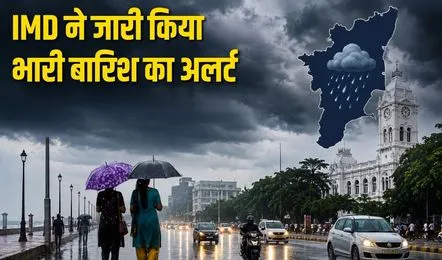
India is witnessing a major shift in weather conditions as the southwest monsoon continues to spread across several regions. The Indian Meteorological Department (IMD) has issued alerts for heavy rainfall, thunderstorms and possible flooding in many states. Several areas including parts of Maharashtra, Gujarat, Madhya Pradesh, Uttar Pradesh and coastal regions are preparing for intense rainfall activity.
The monsoon season is extremely important for India because a large part of the country’s agriculture depends on rainfall. Farmers across rural areas are closely monitoring weather patterns as timely rain can improve crop production, while excessive rainfall may damage standing crops.
Government agencies have started preparing disaster management teams in areas where heavy rain is expected. Local administrations are working on drainage systems, emergency response plans and public safety measures to reduce the impact of waterlogging and floods.
Urban areas are also facing challenges due to rapid rainfall. Many major cities often experience traffic disruptions, road damage and drainage problems during heavy monsoon showers. Experts have suggested that better city planning and infrastructure upgrades are needed to handle extreme weather events.
Climate experts believe changing weather patterns are increasing the frequency of extreme rainfall events. Rising temperatures and environmental changes are affecting traditional weather cycles across the world.
The government has advised citizens to remain alert, avoid unnecessary travel during heavy rain and follow official weather updates. Authorities are also focusing on protecting vulnerable communities and ensuring essential services continue without interruption.
The coming weeks will be important for India’s economy and agriculture as the progress of the monsoon will directly impact food production, inflation and rural income.