


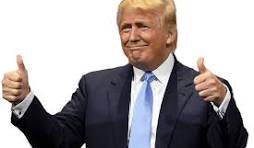
New 10% Global Tariff Rolled Out
- Within hours, Trump signed an executive order imposing a new temporary 10 % tariff on most imports from all trading partners, using a different legal mechanism (Section 122 of the Trade Act of 1974).
- This tariff is set to be effective from February 24, 2026, for 150 days, and applies broadly unless exemptions are specified (such as certain aerospace goods, pharmaceuticals, and USMCA-related imports).
- The move is intended to maintain tariff revenues and trade leverage despite the court ruling.
📊 What Happens to Previous Tariffs & Refunds
- The Supreme Court decision invalidates large parts of the prior broad tariff regime. This has created legal uncertainty about whether businesses or countries will be refunded billions of dollars in duties previously collected (possibly over $130–$170 billion).
- Sector-specific tariffs under other laws (e.g., steel/aluminum duties under national security provisions) remain in place.
🌍 Reactions & International Impact
- Many countries, including trading partners like the UK, EU members, Canada, India and others, are scrutinizing the ruling and its impact on tariff expectations and trade deals.
- Some governments expect preferential trading positions to continue or seek clarity on the new tariff framework.
🇮🇳 What This Means for India Specifically
📉 Tariff Rate for Indian Exports
- The temporary 10 % global tariff will apply to imports into the U.S., including Indian goods, until further changes are made.
- Before the Supreme Court ruling, India and the U.S. had agreed on an interim trade framework that would reduce U.S. tariffs on Indian goods to about 18 % (down from much higher levels earlier).
- But because the earlier tariff structure was legally voided, the practical rate for India now defaults to the new 10 % tariff (plus any applicable standard Most-Favoured-Nation (MFN) duty).
👉 For example, if a product already carries a 5 % U.S. MFN tariff, the temporary 10 % surcharge makes the total duty ~15 %.
Contents
🧾 Trade Deal Status
- President Trump claims the India-U.S. trade deal is still on and that India will continue paying tariffs under the arrangement.
- However, because the legal basis for the earlier tariff rates was struck down, some of the tariff concessions negotiated are currently in limbo.
- Indian government officials and ministers have called for clarity on how the ruling affects the trade agreement and its implementation.
🔄 Wider Economic Implications
- Around 55 % of India’s exports to the U.S. might now be freed from the punitive 18 % tariffs previously imposed, reverting to lower MFN duties plus the temporary 10 % surcharge.
- Despite this, uncertainty remains — the U.S. could reintroduce tariffs under other legal provisions, and negotiations with India continue.