

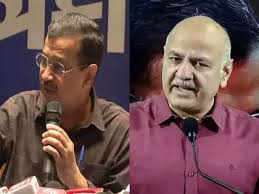
In a fresh twist to the high-profile Delhi liquor policy case, the Central Bureau of Investigation (CBI) has approached the Delhi High Court challenging the discharge of senior political leaders, including Arvind Kejriwal and Manish Sisodia. The move has once again brought the controversial excise policy matter into the national spotlight.
Background of the Case
The liquor policy case revolves around alleged irregularities in the formulation and implementation of Delhi’s excise policy for 2021–22. The policy, which was later scrapped, was introduced with the objective of reforming the liquor trade in the national capital. However, investigative agencies alleged that the policy was manipulated to benefit certain private players.
The CBI registered an FIR alleging corruption, criminal conspiracy, and procedural lapses in the policy’s rollout. Several officials and businessmen were questioned, and political leaders were also named during the investigation. The case soon became one of the most talked-about political controversies in the country.
Discharge by Trial Court
Earlier, a Delhi trial court discharged several accused, including Arvind Kejriwal and Manish Sisodia, citing lack of sufficient evidence to proceed with charges. The court reportedly observed that the material presented did not establish a prima facie case strong enough to frame charges against them at that stage.
This discharge was viewed as a significant relief for the leaders of the Aam Aadmi Party (AAP), who have consistently denied all allegations and termed the case politically motivated.
CBI’s Appeal in the High Court
Unwilling to accept the trial court’s decision, the Central Bureau of Investigation has now moved the Delhi High Court, seeking reversal of the discharge order. In its plea, the CBI is believed to have argued that the lower court failed to properly appreciate the evidence and that there are sufficient grounds to proceed with prosecution.
The agency has reportedly emphasized that the matter involves serious allegations of corruption and financial irregularities, which warrant detailed judicial scrutiny. The High Court is expected to examine whether the discharge order was legally justified or whether the case should proceed to trial.
Political and Legal Implications
The development has intensified political debates, with the ruling party at the Centre and the opposition trading accusations. Supporters of Arvind Kejriwal claim the move is an attempt to pressure opposition leaders, while critics argue that corruption allegations must be thoroughly investigated regardless of political affiliation.
Legally, the High Court’s decision will be crucial. If the court admits the CBI’s plea and sets aside the discharge order, the case could move forward with fresh proceedings against the accused. On the other hand, if the High Court upholds the discharge, it would strengthen the defense’s position significantly.
Impact on Delhi Politics
Arvind Kejriwal, who serves as Delhi’s Chief Minister, and Manish Sisodia, a senior AAP leader and former Deputy Chief Minister, have been central figures in Delhi’s governance model. Any legal setback in this case could have broader political implications, particularly ahead of future elections.
The liquor policy controversy has already shaped political narratives over the past months. With the matter now before the Delhi High Court, attention will shift to the judicial proceedings that may determine the next phase of the case.
What Lies Ahead?
The High Court is expected to hear arguments from both sides in the coming weeks. The outcome will not only impact the accused individuals but may also set legal precedents regarding discharge orders in corruption cases involving public officials.
As the legal battle continues, the case remains a key issue in India’s political and judicial landscape. Observers believe that the High Court’s ruling will play a decisive role in shaping the trajectory of the liquor policy case and its broader ramifications.
Stay tuned for further updates as the matter unfolds in the Delhi High Court.